


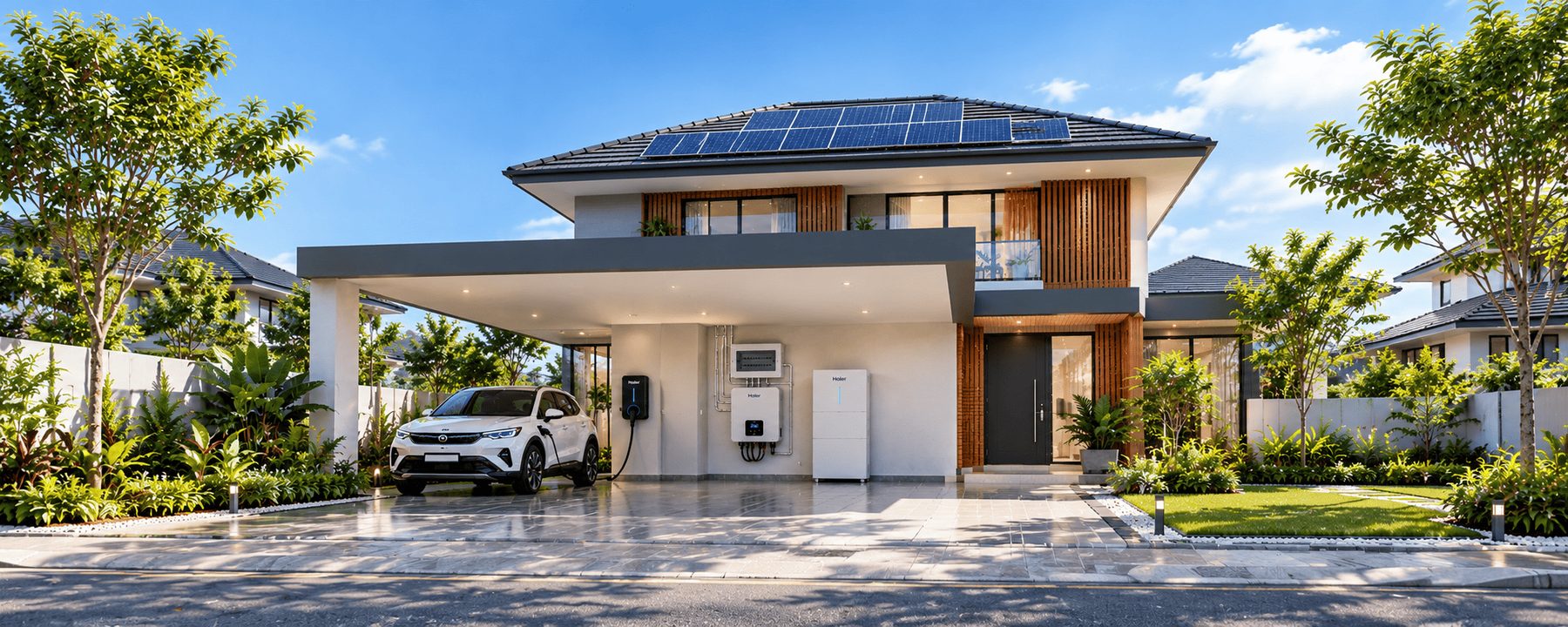
Solar Guide: Choosing the Right System for Your Property
Thinking of going solar? Whether you live in a landed home, condo or run a business, choosing the right solar system starts with understanding your electricity needs, available space and how you plan to use solar energy.
Here’s a simple guide to help you explore your options.
Start With How You Use Energy
Before choosing a solar system, take a look at your electricity bill and daily energy usage.
Ask yourself:
- How much electricity do you use? Check your monthly consumption in kWh, not just the amount you pay.
- When do you use the most electricity? During the day, at night or both?
- What is your main goal? Lower electricity bills, backup power or greater energy independence?
If you use more electricity during the day, an on-grid solar system may be a practical starting point.
If you use more electricity at night, a hybrid solar system with battery storage may be worth considering.
The right system size depends on your electricity usage, roof space, budget and applicable local requirements.
Landed Home, Condo or Business?
“The right solar system isn’t about having more panels. It’s about finding the right solution for your energy needs.”
— Solar Nation Team
Different properties have different solar needs. Here’s how today’s solar solutions may fit your property.
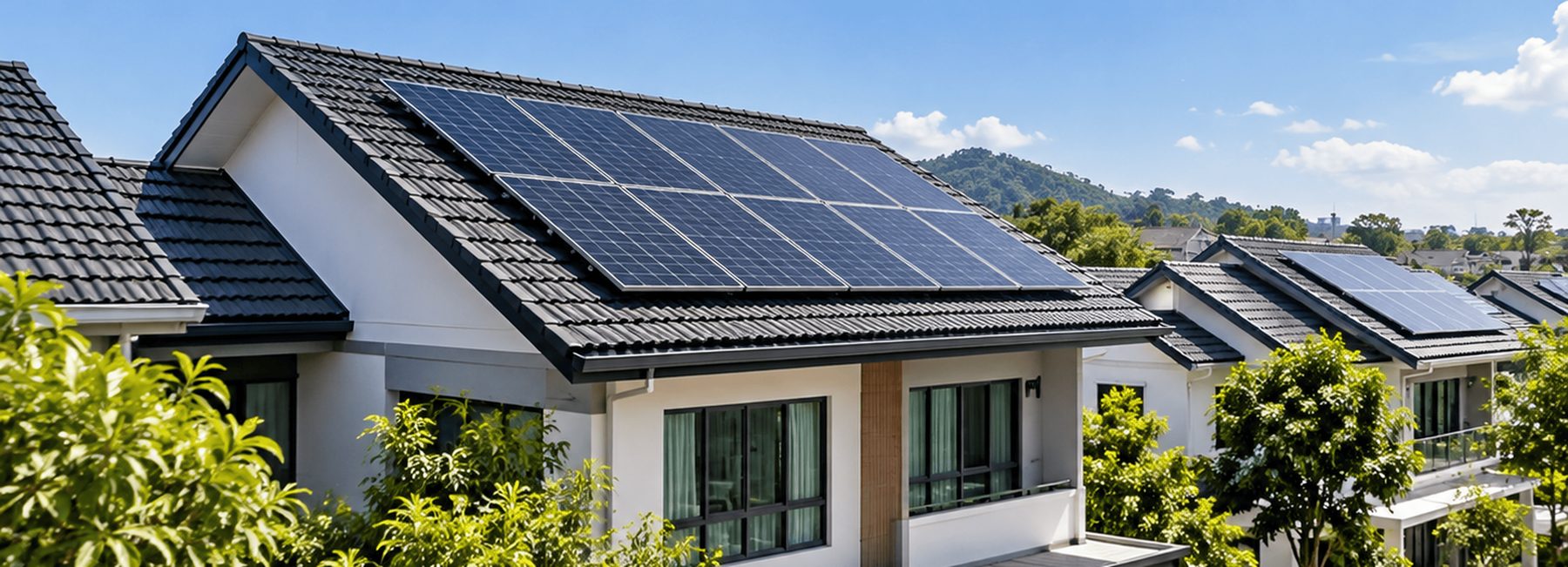
Rooftop Solar
For terrace houses, semi-detached homes and bungalows, rooftop solar panels can generate electricity during the day to help reduce reliance on grid electricity.
You can choose between a conventional on-grid system or a hybrid system with battery storage, depending on your needs.
Best for: Homeowners with suitable roof space who want to manage their electricity costs.
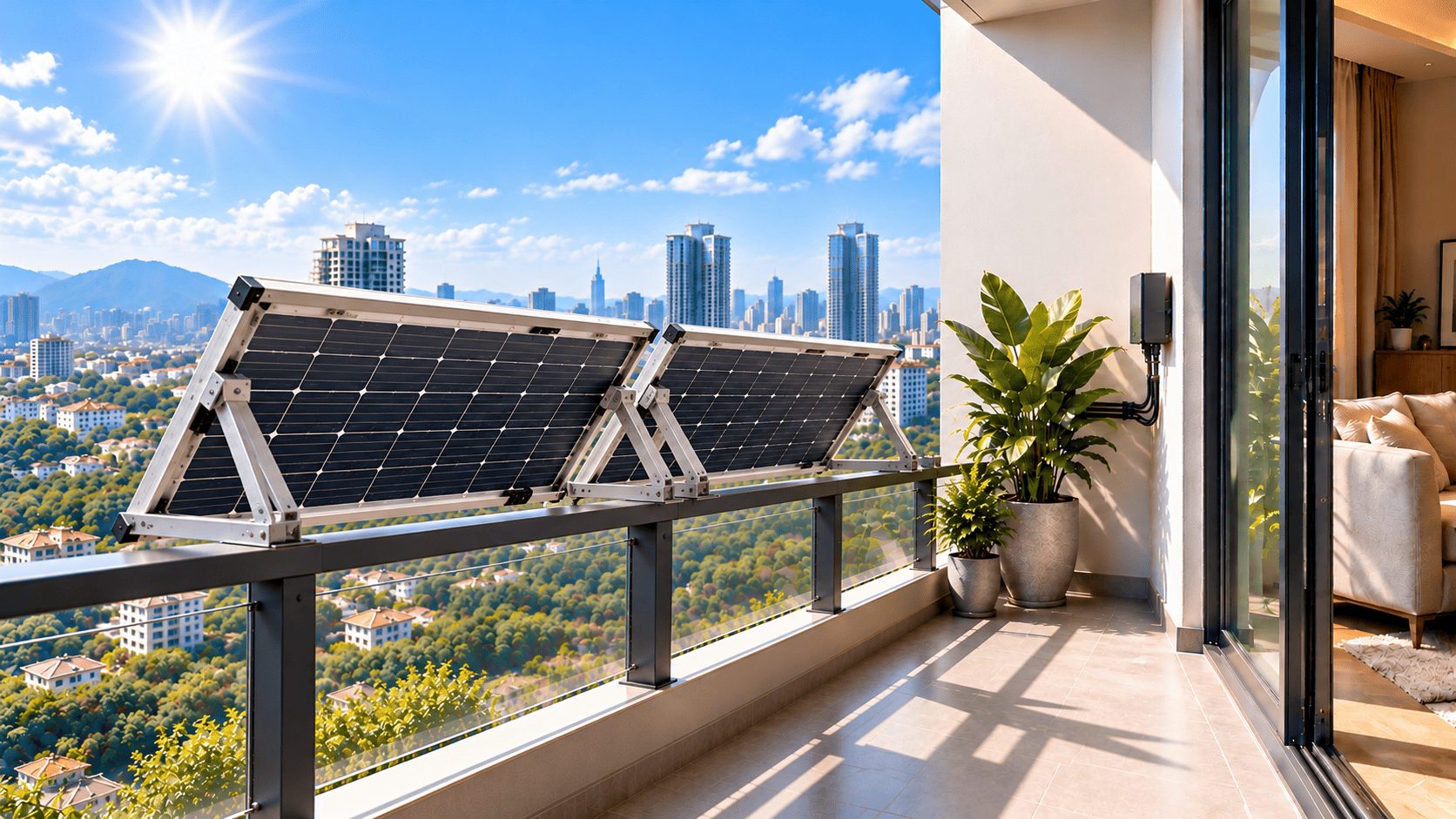
Balcony Solar
Don’t have your own rooftop? Compact solar panels and microinverters offer another technology worth exploring.
Balcony solar systems are designed for smaller spaces, such as suitable balconies or terraces. However, installation is subject to building management approval, electrical safety requirements and applicable Malaysian regulations.
Best for: Condo and apartment residents interested in exploring small-scale solar options, subject to installation feasibility and approval.
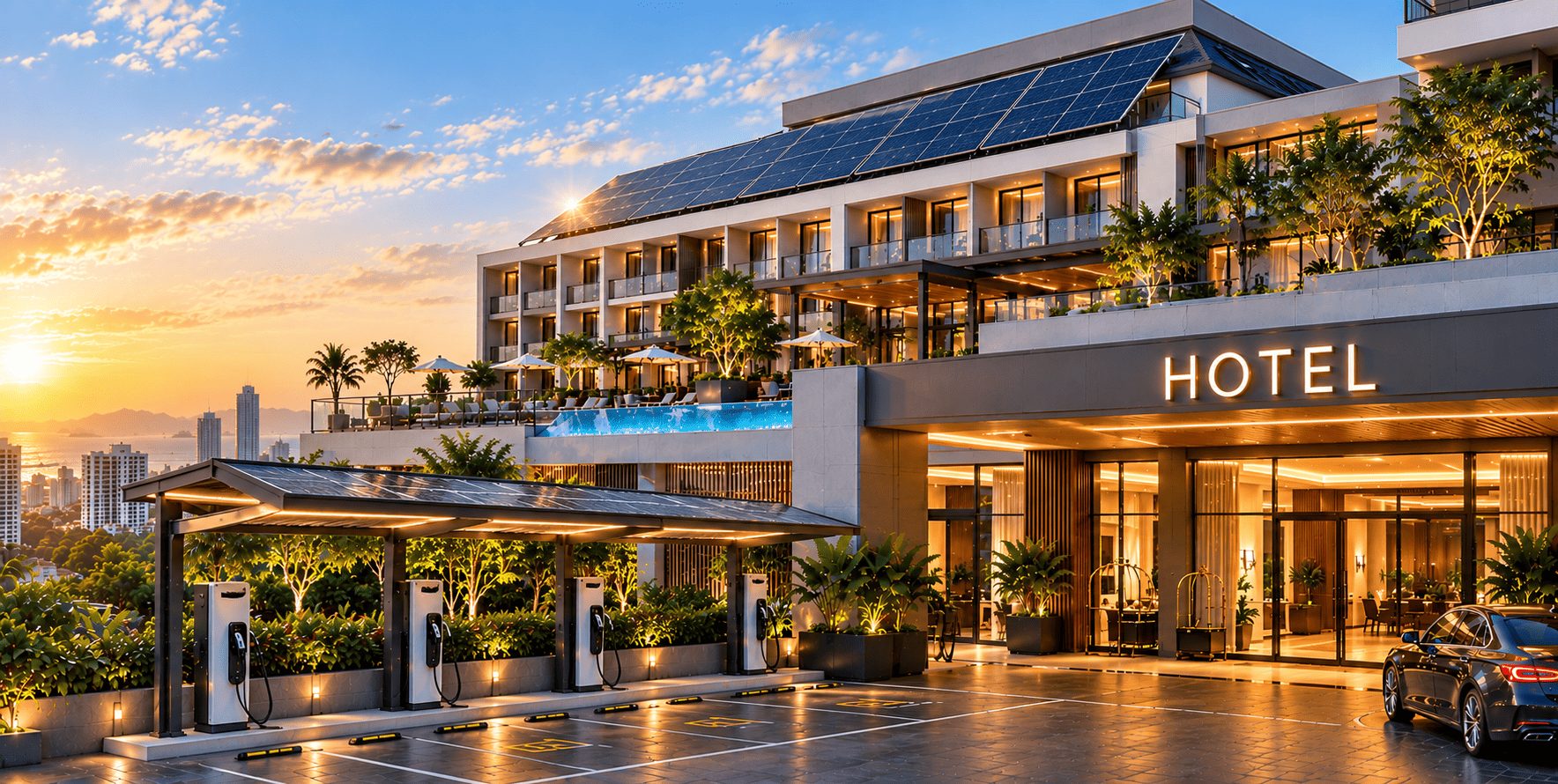
Commercial Solar
Offices, shoplots, warehouses and factories often use significant electricity during operating hours.
Commercial rooftop solar can help offset daytime electricity consumption. Larger properties may also consider battery storage and energy management systems to better understand and optimise their electricity use.
Best for: Businesses with suitable roof space and consistent electricity demand.
Off-Grid Solar
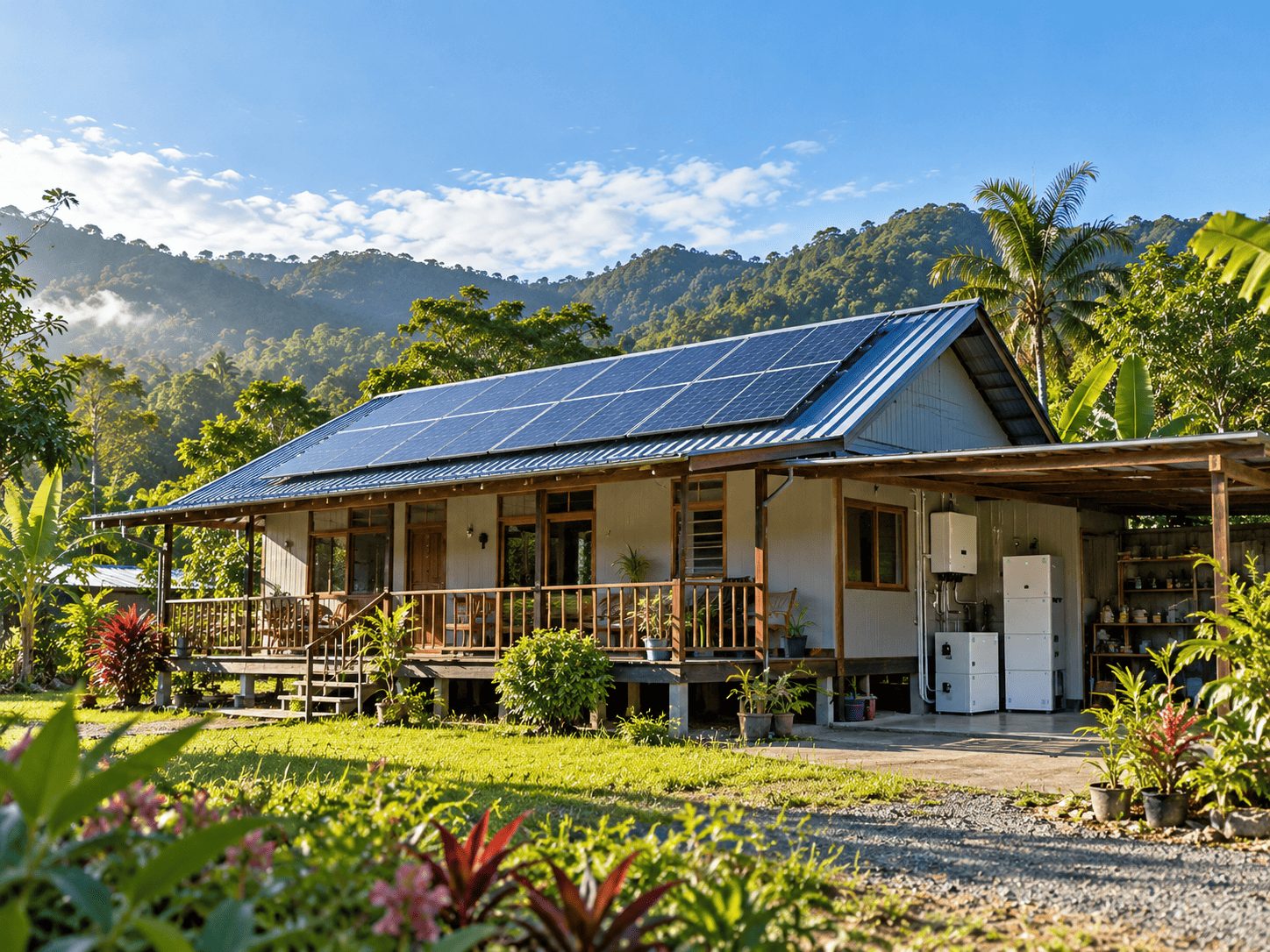
For farms, rural homes or locations without reliable grid access, off-grid solar combines solar panels, battery storage and an appropriate inverter to provide electricity independently.
The system must be designed around daily energy needs and sufficient backup capacity.
Best for: Remote locations where conventional grid electricity is unavailable or unreliable.
Do You Need Battery Storage?
Not every solar system needs a battery.
Solar Without Battery
Solar panels generate electricity during daylight hours. Your property uses the available solar energy, while the grid supplies additional electricity when needed.
Solar With Battery
A battery stores energy for later use, such as in the evening. With a compatible hybrid inverter and correctly designed backup circuits, selected appliances may also continue operating during a power outage.
Portable Battery Storage
Portable power stations offer another option for camping, outdoor activities, market stalls and temporary electricity needs. Some models can be recharged using compatible portable solar panels.
The best choice depends on your electricity usage, budget and whether backup power is important to you.
Next Steps: Find the Right Solar Solution
Still unsure which solar system suits your property? Start with these simple steps:
- Check your electricity bill — Understand your monthly electricity consumption.
- Assess your property — Consider available space, shading, roof condition and installation restrictions.
- Identify your priorities — Decide whether your main goal is savings, battery storage or backup power.
- Speak to a solar specialist — Get advice on suitable system capacity, installation requirements and estimated costs.
Comments are closed